a book
Collected Poems
Georg Trakl · 2017 · 462 pages
The work of poet Georg Trakl, a leading Austrian-German expressionist, has been praised by many, including his contemporaries Rainer Maria Rilke and Else Lasker-Schüler, as well as his patron Ludwig Wittgenstein, who famously wrote that while he did not truly understand Trakl's poems, they had the tone of a "truly ingenious person," which pleased him. This difficulty in understanding Trakl's poems is not unique. Since the first publication of his work in 1913, there has been endless discussion about how the verses should be understood, leading to controversies over the most accurate way to translate them. In a refreshing contrast to previous translated collections of Trakl's work, James Reidel is mindful of how the poet himself wished to be read, emphasizing the order and content of the verses to achieve a musical effect. Trakl's verses were also marked by allegiance to both the nineteenth and twentieth centuries, a fact which Reidel honors with impressive research into the historicity of the poet's language. Collected Poems gathers Trakl's early, middle, and late work, ranging widely, from his haunting prose pieces to his darkly beautiful poems documenting the first bloody weeks of World War I on the Eastern Front.


recommended by 1 person
sourced from public statements
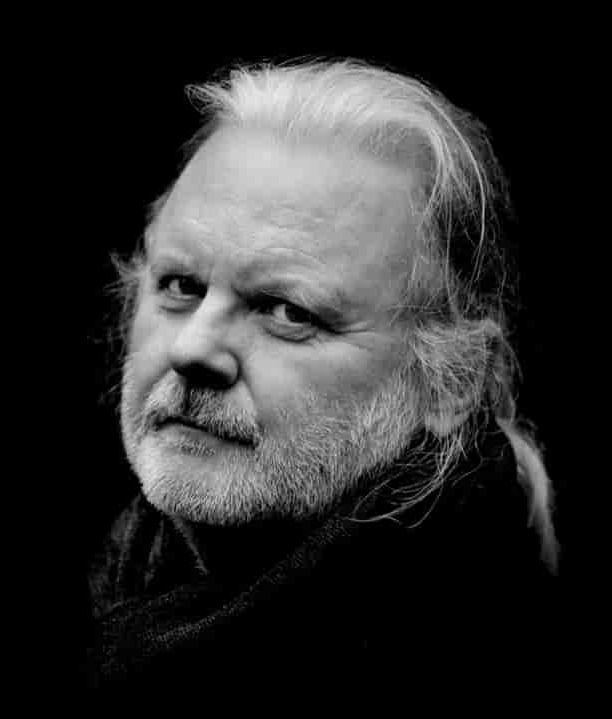
Jon Fosse
“Hauge was a poet, but also a translator. His collected translations of poems from English, German and French have been published over and over again in Norway. I read these translations in my teens. What impressed me the most was his translations of German poetry. Hölderlin, Paul Celan and especially Georg Trakl. When I was quite young, I got hold of Trakel’s Collected Poems in German. They made an everlasting impression on me and perhaps the most impactful was his major collection, Sebastian in Dream. Some years ago, I translated that collection into Norwegian. Trakl’s poetry doesn’t translate that well into English, but his poetry is still available in various English translations.”↗