
a book
How Not to Be Wrong
Jordan Ellenberg · 2014 · 480 pages
The Freakonomics of math—a math-world superstar unveils the hidden beauty and logic of the world and puts its power in our hands
The math we learn in school can seem like a dull set of rules, laid down by the ancients and not to be questioned. In How Not to Be Wrong, Jordan Ellenberg shows us how terribly limiting this view is: Math isn’t confined to abstract incidents that never occur in real life, but rather touches everything we do—the whole world is shot through with it.
Math allows us to see the hidden structures underneath the messy and chaotic surface of our world. It’s a science of not being wrong, hammered out by centuries of hard work and argument. Armed with the tools of mathematics, we can see through to the true meaning of information we take for granted: How early should you get to the airport? What does “public opinion” really represent? Why do tall parents have shorter children? Who really won Florida in 2000? And how likely are you, really, to develop cancer?
How Not to Be Wrong presents the surprising revelations behind all of these questions and many more, using the mathematician’s method of analyzing life and exposing the hard-won insights of the academic community to the layman—minus the jargon. Ellenberg chases mathematical threads through a vast range of time and space, from the everyday to the cosmic, encountering, among other things, baseball, Reaganomics, daring lottery schemes, Voltaire, the replicability crisis in psychology, Italian Renaissance painting, artificial languages, the development of non-Euclidean geometry, the coming obesity apocalypse, Antonin Scalia’s views on crime and punishment, the psychology of slime molds, what Facebook can and can’t figure out about you, and the existence of God.
Ellenberg pulls from history as well as from the latest theoretical developments to provide those not trained in math with the knowledge they need. Math, as Ellenberg says, is “an atomic-powered prosthesis that you attach to your common sense, vastly multiplying its reach and strength.” With the tools of mathematics in hand, you can understand the world in a deeper, more meaningful way. How Not to Be Wrong will show you how.


recommended by 8 people
sourced from public statements

Andrej Karpathy
“to-read”

Bill Gates
“On the surface it’s about math, but it’s really about how much math plays into our daily lives without our even knowing it.”↗
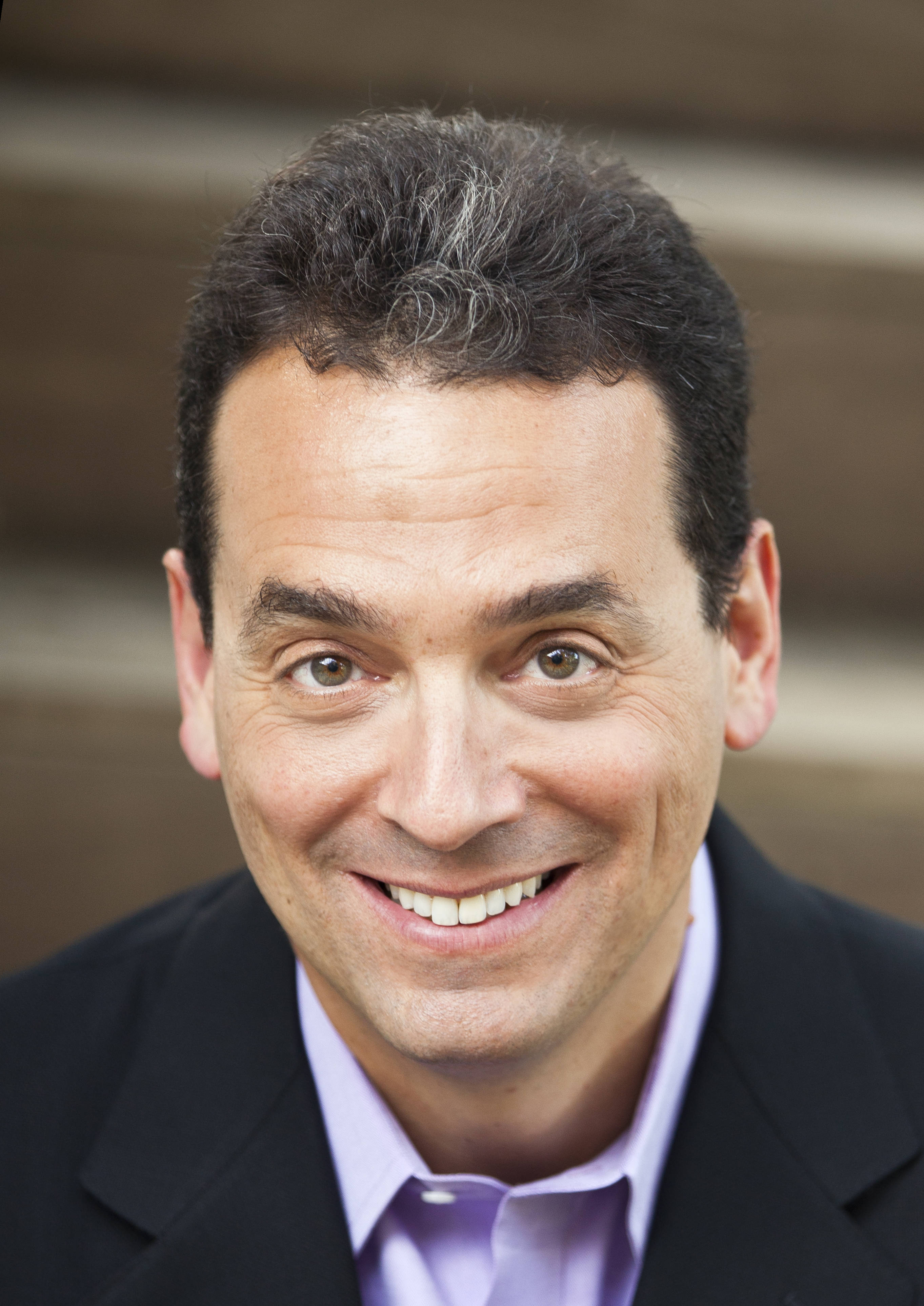
Daniel Pink
“I’m way late to this book, which came out in 2014. But it’s a gem – highly recommended summer reading, especially for anyone in high school or college. @JSEllenberg is a mathematician who can write. #DanielPink #JordanEllenberg #HowNotToBeWrong #Mathematician”↗

Nick Ganju
“Written for an audience of people who have historically been intimidated by math and introduces things in a very simple way, and then works up to more complex concepts.”↗


books like How Not to Be Wrong
other books recommended by the same people who recommend this one
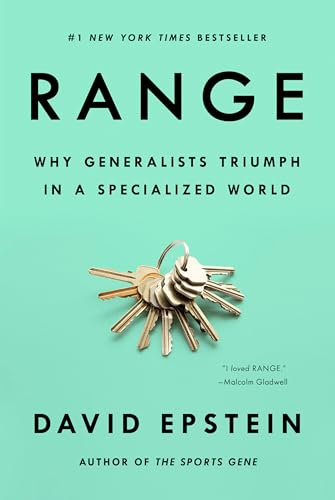
Range: Why Generalists Triumph in a Specialized World
David J. Epstein
4 shared recommenders

Sapiens: A Brief History of Humankind
Yuval Noah Harari
3 shared recommenders

The Great Gatsby: Original Text
F. Scott Fitzgerald
3 shared recommenders

The Ride of a Lifetime: Lessons Learned from 15 Years as CEO of the Walt Disney Company
Robert Iger
3 shared recommenders

Loonshots: How to Nurture the Crazy Ideas That Win Wars, Cure Diseases, and Transform Industries
Safi Bahcall
3 shared recommenders

Measure What Matters: How Google, Bono, and the Gates Foundation Rock the World with OKRs
John Doerr
3 shared recommenders

21 Lessons for the 21st Century
Yuval Noah Harari
2 shared recommenders
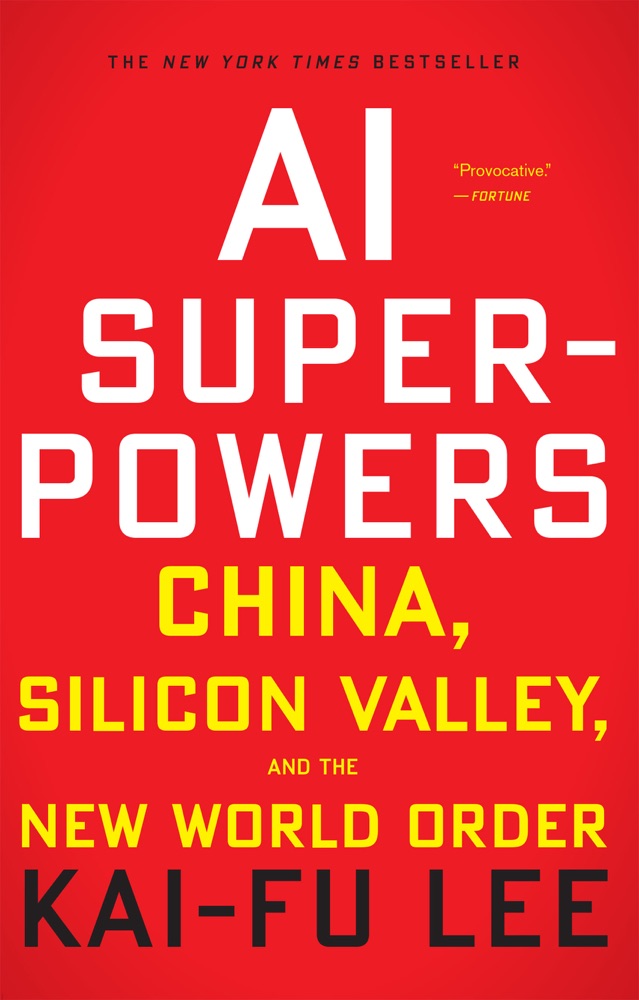
AI Superpowers: China, Silicon Valley, and the New World Order
Kai-Fu Lee
2 shared recommenders
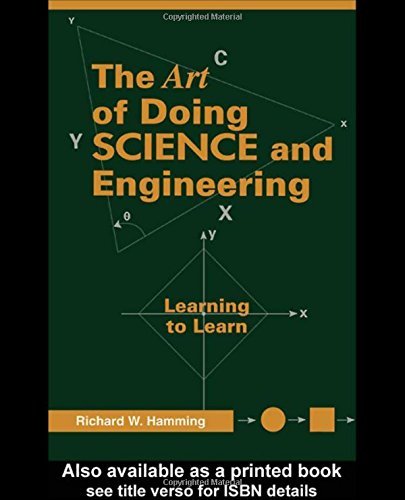
Art of Doing Science and Engineering: Learning to Learn
Richard W. Hamming
2 shared recommenders

Atlas Shrugged (Centennial Ed.)
Ayn Rand
2 shared recommenders

Capital in the Twenty-First Century
Thomas Piketty
2 shared recommenders
Collapse
Jared Diamond
2 shared recommenders