a book
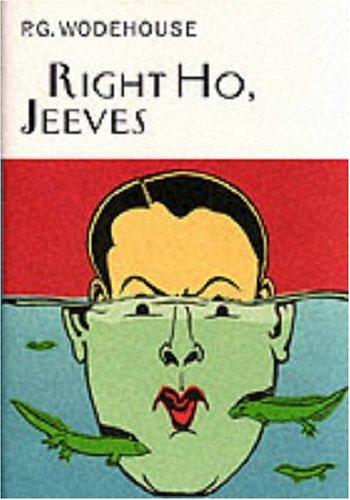
Right Ho, Jeeves
P.G. Wodehouse · 1934 · 232 pages
"Jeeves," I said, "may I speak frankly?" "Certainly, sir." "What I have to say may wound you." "Not at all, sir." "Well, then--" No-wait. Hold the line a minute. I've gone off the rails. I don't know if you have had the same experience, but the snag I always come up against when I'm telling a story is this dashed difficult problem of where to begin it. It's a thing you don't want to go wrong over, because one false step and you're sunk. I mean, if you fool about too long at the start, trying to establish atmosphere, as they call it, and all that sort of rot, you fail to grip and the customers walk out on you. Get off the mark, on the other hand, like a scalded cat, and your public is at a loss. It simply raises its eyebrows, and can't make out what you're talking about. And in opening my report of the complex case of Gussie Fink-Nottle, Madeline Bassett, my Cousin Angela, my Aunt Dahlia, my Uncle Thomas, young Tuppy Glossop and the cook, Anatole, with the above spot of dialogue, I see that I have made the second of these two floaters.


recommended by 1 person
sourced from public statements

Kazuo Ishiguro
“The best Jeeves novel, and as such a masterpiece of comic escapism. The plot is standard Wodehouse: a country-house farce in which Bertie Wooster attempts to help his pathetic geek friend, Gussie, find the courage to propose to his true love. It’s hard to say why this is great literature. There’s no attempt to engage with the complexities of life. But the book does several things supremely well: There’s Bertie’s first-person voice, a pitch-perfect mix of posh English and American Jazz Age slang; it has a beautiful structure, with one hilarious, expertly staged setup folding seamlessly into the next. And Wodehouse does make you believe (at least momentarily) in a world where trivial problems have the status of huge ones, and the huge ones have vanished altogether. Pure delight.”↗